Playing loads the player from a third party, which may set cookies.
Felco is the world leader in garden shears, here in Switzerland. Farm workers use them, and some fans have the brand tattooed on their body. When Felco opened an online shop, it found a second customer: people like me, with a small yard, buying the same tools. So Felco made new ones, with leather handles and golden blades. But the website still told one story. The heavy-duty shears and the designer pair sat side by side, one at twice the price, and nothing told you which one was for you.
So we did not write one story for Felco. We wrote two, for two customers who could each recognise themselves.
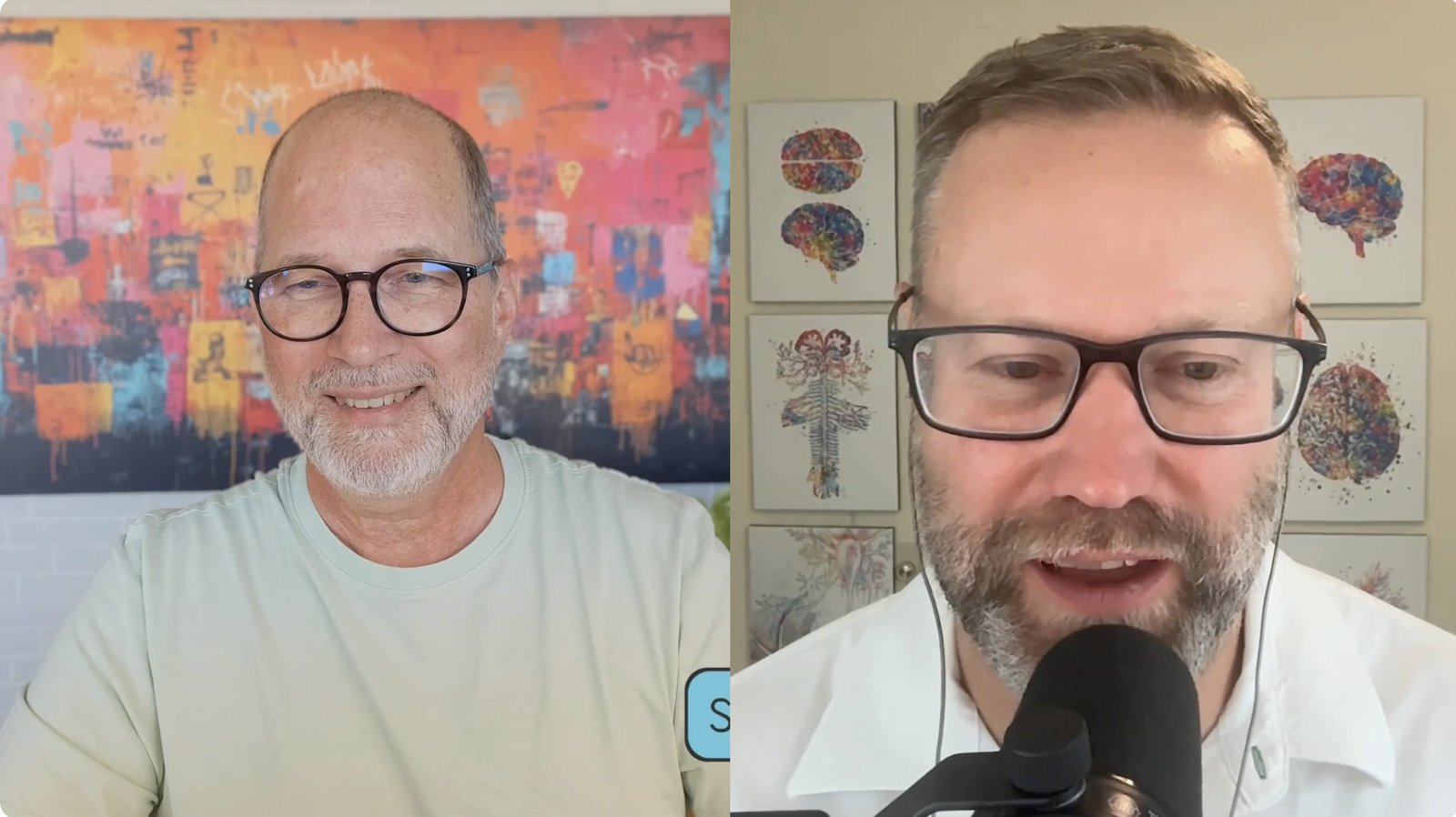
That is where my conversation with David Hardy on The Hardy Brain began. His show is about how the brain performs, and a confused story is a load you carry every day. You keep telling the same story, you trudge along, and you never step outside to see what a stranger sees. Who is this for? Why would I pick them rather than the next one?
We walked through the three steps I use. Recognition: do I see myself in this? Perception: what is it, and why this one? Projection: can I picture how it will go, so the small worries are settled before I click? Then David put me on the spot and had me build the story live for a scattered entrepreneur. That part is worth hearing.
What we covered
-
Seeing your company from the outside
-
Felco’s two customers
-
A social mission that also sells
-
Recognition, perception, projection
-
Niching down without fear
-
Ten people, ten stories
The commercial point came from a workshop. I asked ten people to write down what their company does, and got ten different answers. Once they had built one story together, someone said they could finally explain their job to their mother. That shared story is what the website, the sales team and the pitch all need. Without it, each of them is guessing.