Playing loads the player from a third party, which may set cookies.
Read most company websites aloud and count the pronouns. We were founded in. We deliver. Our team believes. The customer has to dig through all of it to answer the only question they came with: is this for me?
That is the wrong story. Nothing in it is false, and the wording may be excellent. It is simply told from the wrong side of the table.
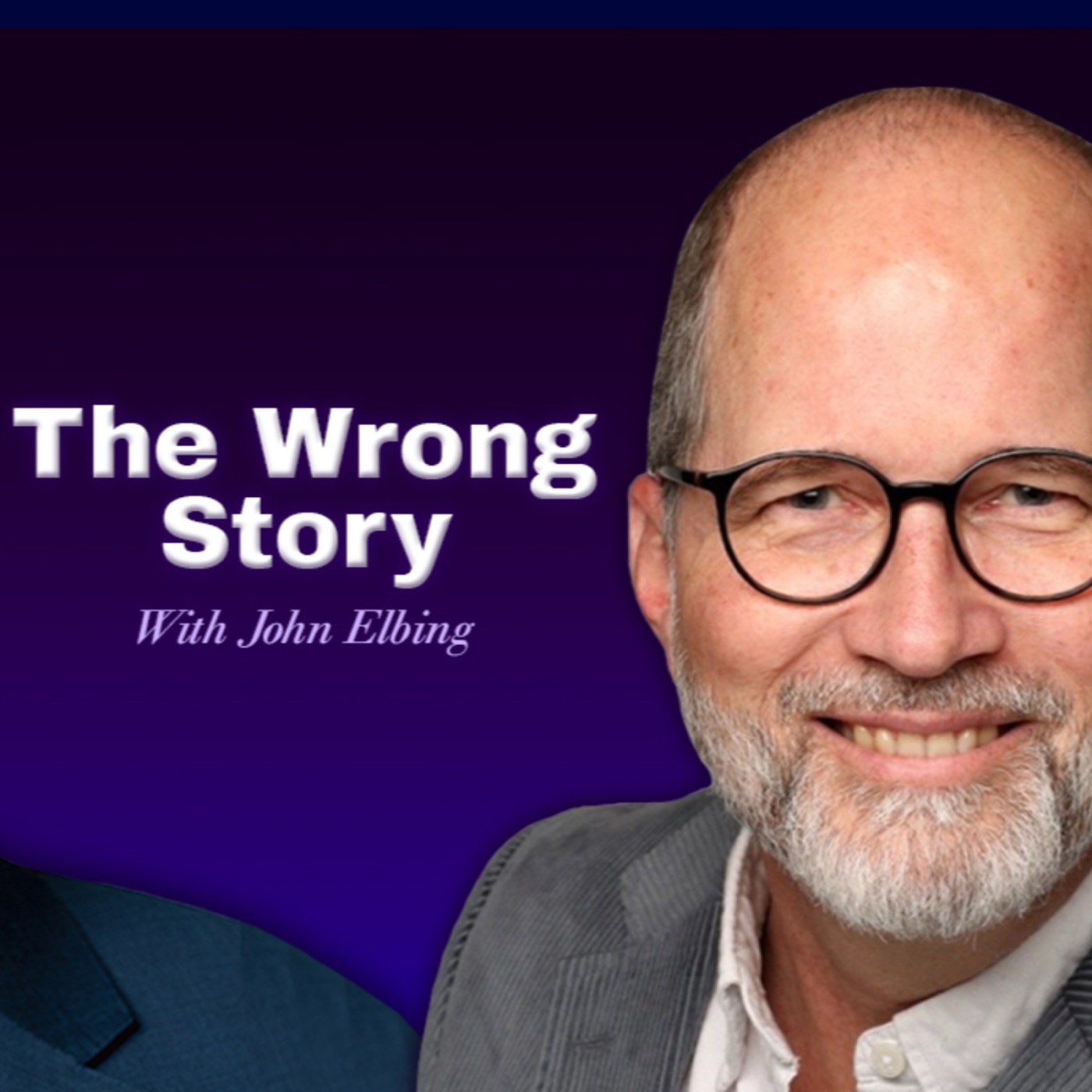
That was the thread of my conversation with Sanjai Mehta on Success Matters. Most people who come to me want better words. Better words do not help if the story is still about you. The customer is the one with the problem and the decision to make. Put them at the centre, and your company becomes the thing that helps them get there.
We also talked about what a shared story does inside a company. When a team agrees on who the customer is and what they need, many decisions stop being arguments. The website, the sales pitch and the next hire all point the same way.
And we talked about facts. Facts matter. But people decide when they feel understood, and then use the facts to explain the decision to themselves. A message that shows customers you see their situation does more than a longer list of features.
What we covered
-
The customer as the hero
-
Why “we, we, we” loses people
-
A shared story for better decisions
-
Facts and feeling understood
-
Rethinking how you pitch
The commercial point is simple. A customer who recognises themselves in your story needs less convincing. That shortens the sale, and it costs less than another campaign.