Interviews
Storybuilding in Conversation – Dialogues on Positioning, Alignment and Meaning
In these interviews, I unpack the Storybuilding method with hosts from around the world. We go beyond slogans and campaigns to discuss how companies define who they serve, why it matters, and how to build a story that holds together internally and externally.
Keynote speaker

Yes, Brand with Hersh Rephun
4 June 2026
In this episode of YES, BRAND, Hersh Rephun sits down with business storytelling consultant Jon Elbing, creator of the Story Building methodology, for a lively conversation about empathy, narrative, marketing, and why so many companies tell the wrong story.
With a background spanning software engineering, project management, startups, digital marketing, finance, and improv comedy, Jon brings an unusual blend of analytical thinking and creative intuition to the challenge of brand positioning.
His core belief is simple but often overlooked:
The strongest brand stories are built from the customer’s perspective, not the company’s.
Hersh’s conversation with Jon explores what happens when organizations become so focused on their products, features, and expertise that they lose sight of the emotions, motivations, and experiences of the people they serve.
They dive into:
Why empathy is the foundation of effective storytelling
The connection between improv comedy and marketing
How businesses can identify the right audience faster
The difference between storytelling and business storytelling
Why niche positioning creates stronger brands
How customers mentally rehearse buying decisions
And why recognition always comes before persuasion
Jon also shares insights from his book Story Building, including practical ways companies can clarify their messaging, improve conversions, and create stronger customer engagement without resorting to gimmicks or buzzwords.
Funny, thoughtful, and highly practical, this episode is a reminder that great stories don’t start with the company. They start with the audience.


The Human Connection Podcast with Karl Pontau
10 April 2026
A company had been making garden shears for 80 years when they discovered something unexpected: people were tattooing their brand on their bodies.
Not because of the blade quality. Because of who they felt like when they used the tool.
I recently sat down with Karl Pontau to unpack what happens when you finally understand why customers actually buy.
The conversation went places I didn’t expect — we got into why making your customer the hero transforms your conversion funnel, why the same product with a different story unlocks entirely new markets, and why most companies are one story reframe away from standing out.
How To Make It In Toronto with Karl Shams
1 April 2026
In this conversation, John Elbing explores why the best business stories are built from the customer’s standpoint, not the company’s. He explains how Storybuilding helps brands move beyond describing what they do and start showing customers that they are seen, understood, and supported.
The discussion touches on customer empathy, the courage to face rejection, and the surprising value of seeing situations from another person’s perspective. John shares how experiences such as conflict avoidance, experimentation, and asking for “no” can become tools for deeper understanding, clearer positioning, and stronger communication.
The episode is a practical reminder that effective storytelling is not about performing better. It is about listening better, shifting perspective, and building a story that helps the right people recognize themselves.

Abundant Thinking with Elan Gelfand
24 March 2026
John Elbing is a business storytelling consultant and the creator of the Storybuilding method. He helps organizations flip the script by building their brand story from the customer’s standpoint rather than from inside the organization. He works with leadership and marketing teams to align messaging, sharpen positioning, and make marketing decisions easier. He is the bestselling author of Storybuilding, a practical book that gives teams clear tools to create stories that truly resonate.
Shifting Views with Wayne Willis
23 March 2026
Most businesses think they’re telling a strong story. In reality, they’re talking about themselves, and their customers have already switched off.
In this episode of Shifting Views with Willis, Wayne Willis sits down with John Elbing, founder of Standpoint and author of the number one international best-selling book Storybuilding. The conversation explores a simple but often overlooked truth. Customers don’t care about what you do. They care about what it does for them.
John shares why so many organisations struggle to connect with their audience and how a shift in perspective can completely change how a business communicates, attracts attention and wins the right customers.
They discuss the gap between how businesses see themselves and how customers actually see them, why emotional decision-making plays such a big role in buying behaviour, and how companies often end up solving the wrong problem. John also breaks down his Storybuilding approach and explains how recognition, perception and projection can be used to create messaging that genuinely resonates.
The conversation goes beyond marketing. It touches on positioning, culture, and why having a clear and shared story inside a business is critical for growth and decision-making.
If you’re a business owner, leader or marketer looking to cut through noise and communicate your value more effectively, this episode will challenge how you think about your message.
Listen now and rethink the story you’re telling.
Managing Marketing with Darren Woolley
17 March 2026
John Elbing, the author of ‘Story Building: Your Brand from Their Standpoint, explores the critical differences between storytelling and story building, emphasising the importance of understanding the consumer’s perspective.
John shares insights on how effective storytelling can create emotional connections, enhance brand recognition, and drive consumer engagement. The conversation also delves into the complexities of B2B marketing, the founder’s advantage in storytelling, and the need for consistency across different audience segments.

More than a few words with Lorraine Ball
8 March 2026
In this conversation with Lorraine Ball on the More Than a Few Words podcast, John Elbing explores the difference between storytelling and what he calls Storybuilding. Rather than polishing a company’s story with clever techniques, Storybuilding begins by asking a more fundamental question: which story should a company tell in the first place. The answer, he argues, is the customer’s story.
John explains the three psychological steps people go through when they encounter a brand for the first time: recognition, perception, and projection. First, customers must recognize themselves in the story and feel that the brand is meant for them. Then they form a perception of what the company does, how it is different, and where it fits among alternatives. Finally, they project themselves into the future, imagining what their experience will be like and how their life will improve.
The conversation also touches on the practical tools behind the method, including visual canvases that help teams analyze their customers, identify trigger moments, and craft a narrative that works across websites, presentations, and everyday conversations. By shifting the focus from “what we do” to “how we help customers succeed,” Storybuilding helps organizations create stories that resonate more naturally and lead to stronger engagement.
Aligned, engaged and fulfilled with Clarence Bongalos
3 March 2026
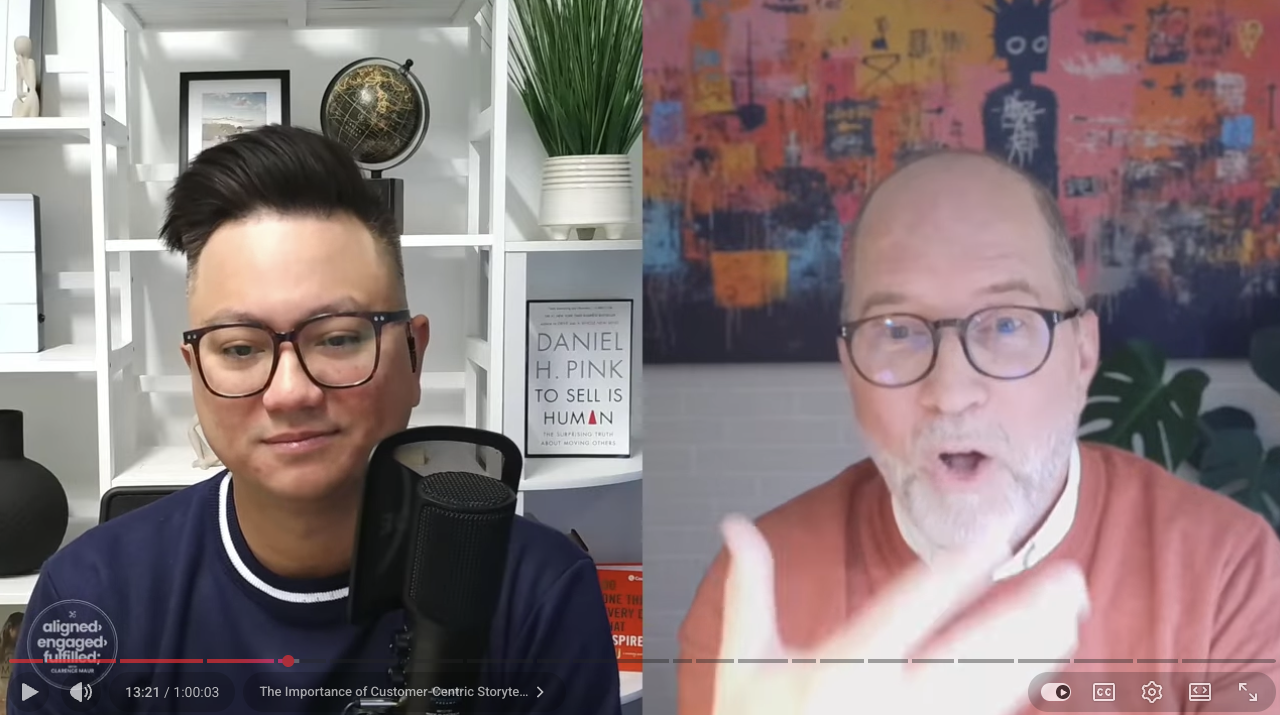
In this episode, Clarence Bongalos interviews John Elbing, a growth story architect, about the power of story building in marketing and organizational culture.
They explore how shifting from storytelling to story building can enhance engagement, authenticity, and alignment within companies and careers.
Key Topics
1. Difference between storytelling and story building
2. The importance of customer perspective in marketing
3. Aligning internal culture with external brand story
4. The role of authenticity in effective storytelling
5. Impact of story building on leadership and strategy
Retail 101 with Josh Thomas
27 February 2026
Most brands think they’re telling great stories. Customers think otherwise. In this episode of Retail Voices, I’m joined by John Elbing, creator of the Storybuilding methodology and Chief Storybuilder Officer at Standpoint, to unpack why traditional storytelling fails — and what retail brands should do instead.
John has helped hundreds of companies clarify their message, align their teams, and build narratives that actually resonate with customers. His approach flips the usual script to compose the company’s story from their customers’ standpoint.
MarketPulse: Pros & Pioneers with Paul Banks
18 February 2026
Stop Talking at People. Start Speaking to Them.
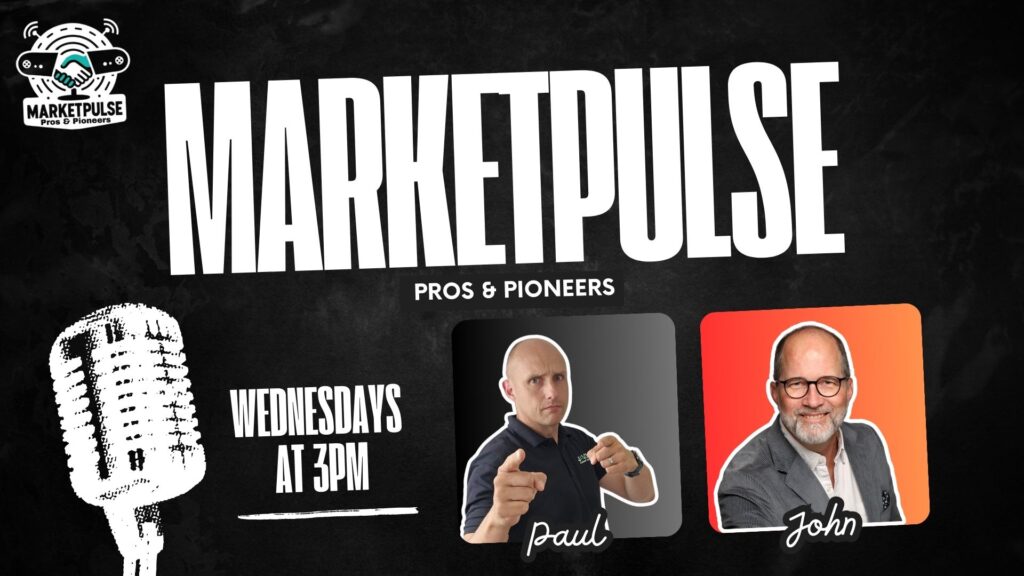
In this episode of MarketPulse Pros & Pioneers, we sit down with John Elbing to explore why the most powerful leadership skill in a world of AI, automation, and digital transformation is still deeply human: perspective. John shares how avoiding conflict in his early career became a superpower, teaching him to see situations through other people’s eyes and build influence through understanding rather than force.
Together, we unpack why so many change programmes and technology projects fail, not because the tools are wrong, but because the people are forgotten. From customer experience and brand strategy to leadership communication and storytelling, John explains why progress only sticks when leaders genuinely understand how others experience their world.
The conversation moves into the future of work, the limits of automation, and the role of story in making ideas land. John reflects on learning to move from memorising presentations to telling stories, why humans cannot be replaced by systems, and how great brands and leaders succeed by respecting how people actually think, feel, and decide.
This is a grounded, practical, and deeply human discussion about leadership in complexity, the psychology of customers, and why seeing the world from someone else’s standpoint changes everything.
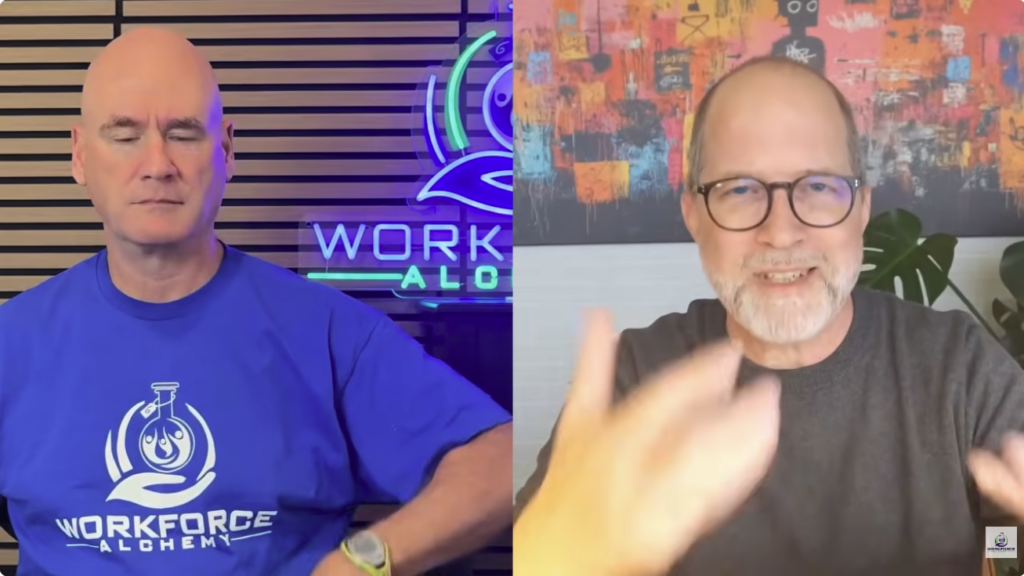
The Mason Duchatschek Show
12 February 2026
If you are struggling to stand out in a noisy marketplace, align your team around a clear message, or convert more prospects into loyal customers, this episode is for you.
Today, Mason sits down with brand strategist and story building expert John Elbing, creator of the Story Building Methodology. Instead of polishing the wrong message with better marketing, John teaches leaders how to build the right story from the ground up by starting from the customer’s standpoint.
His framework is transforming how founders, marketers, HR leaders, and executive teams create clarity, alignment, and messaging that drives action.
🎯 What You Will Learn in This Episode
- The critical difference between storytelling and story building
- Why most companies are telling the wrong story better
- The 3 stages every customer goes through before they buy
- Recognition, Perception. Projection
- How to flip your messaging from “look at us” to “we understand you”
- Why narrowing your niche increases revenue and engagement
- How to validate your brand message before launching a campaign
- How storybuilding strengthens internal alignment and company culture
- Why HR leaders must think like marketers in today’s talent war
- How AI can support messaging without replacing authenticity
If you lead a company, run a sales team, manage HR, or are responsible for growth strategy, this conversation will change how you think about communication.
🚀 Why This Matters for Business Owners & CEOs
Your customers are overwhelmed. Your employees are filtering out noise. Your prospects are actively looking for reasons to ignore you.
Facts and features are forgettable. Stories are memorable.
When your brand story creates recognition, builds trust, and helps your audience envision success, you shorten sales cycles, improve engagement, and build long-term loyalty.
This is not theory. This is practical strategy you can apply to your website, pitch deck, recruiting messaging, sales conversations, and leadership communication immediately.
Innovation Storytellers with Susan Lindner
22 January 2026
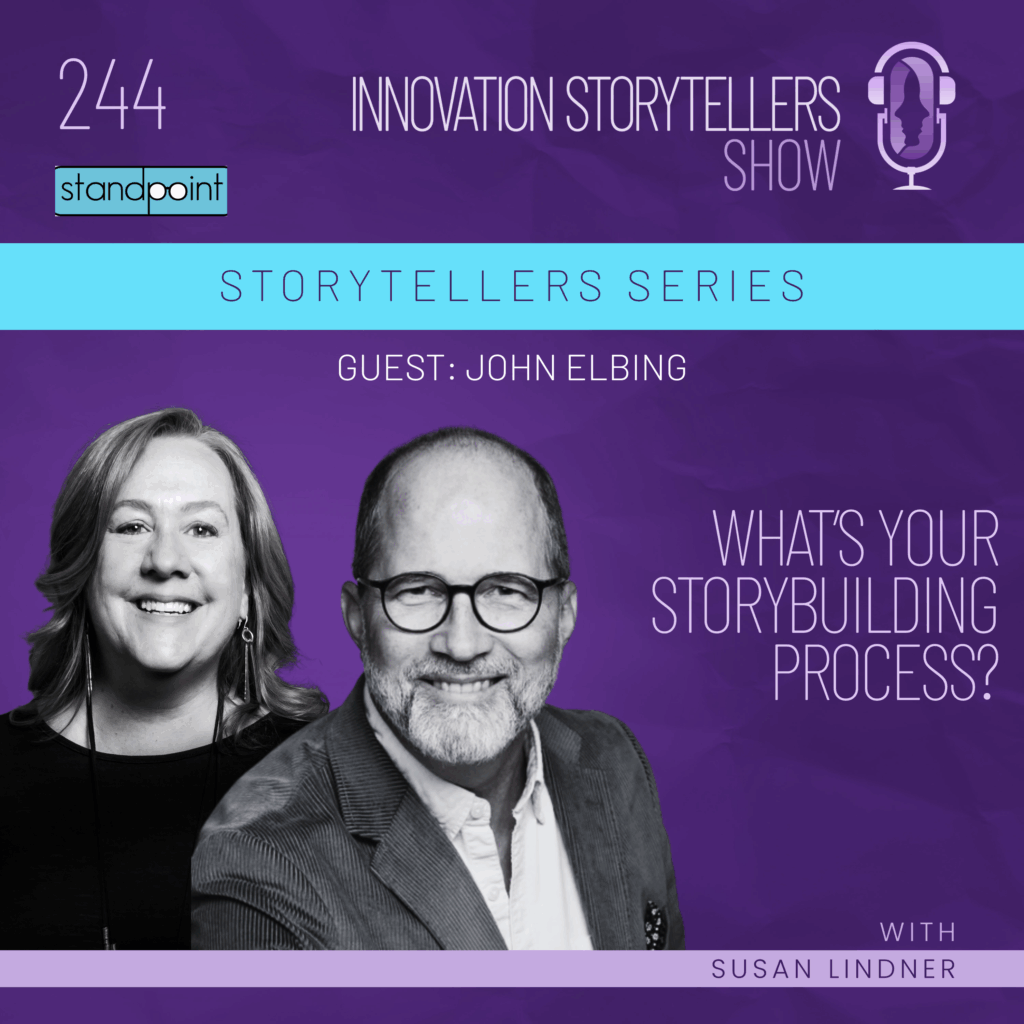
In this episode of the Innovation Storytellers Show, I sit down with John Elbing, Business Storytelling Strategist and founder of Standpoint, for a thoughtful conversation on how organizations can tell stronger innovation stories by shifting perspective outward. This interview is the second in The Storytellers Series, where I invite other storytellers I deeply admire, people who bring their own lenses, frameworks, and lived experience to the craft of story.
John introduces his Story Building Method, a three-stage framework built around recognition, perception, and projection. He explains why compelling stories help customers recognize themselves first, understand where a brand fits second, and finally imagine what life looks like after engaging with a product or service. Throughout the discussion, John emphasizes that storytelling works best when it allows customers to see themselves as the hero of the narrative rather than being positioned as an audience to a company’s internal achievements.
The conversation also explores why narrowing focus can actually expand impact. John challenges the overuse of demographic personas and argues for building stories around aspirations and challenges instead. By targeting what people are trying to achieve or overcome, organizations can connect with audiences that may look very different on the surface but share the same underlying motivations. Susan and John unpack real-world examples from consumer brands, B2B software, and even nonprofit work to show how this approach changes clarity, positioning, and engagement.
They also address common storytelling mistakes, from overreliance on clever language to feature-heavy messaging that misses emotional relevance. John makes a strong case for clarity over cleverness and explains why the most effective brand stories are the ones that make customers feel seen, understood, and supported. The episode closes with John sharing how listeners can continue the conversation through his book, Story Building, and offering a complimentary 45-minute pre-call consultation for those looking to sharpen their own innovation story.
The Inside Scoop with Sam-Erik Ruttmann
30 January 2026
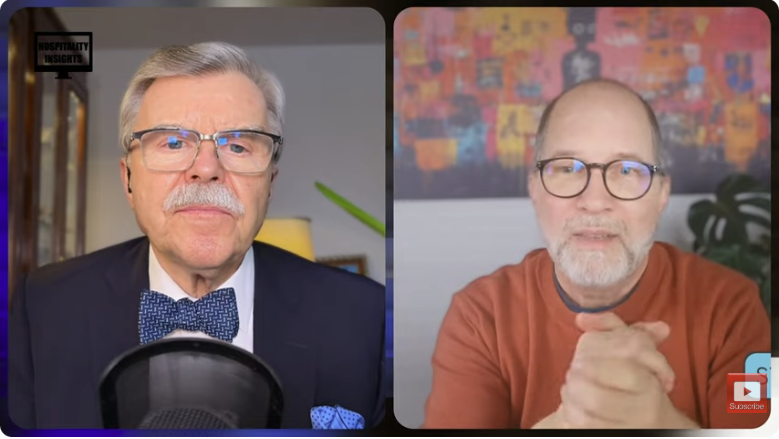
In this conversation, storytelling strategist John Elbing reveals how great hospitality brands are built from the outside in, not the inside out, and why the most powerful brand stories are created by employees, not marketing teams.
Key Takeaway Moments
Storytelling starts with employees, not marketing If a housekeeper can’t explain what the hotel stands for, the story isn’t alive. Culture is the first channel of communication.
Memorable beats perfect. Guests don’t remember consistency — they remember moments. A single “red telephone” moment can outweigh a flawless stay.
Stop appealing to everyone. Hotels that try to please all guests become invisible. The strongest brands choose a niche and build raving fans.
Sustainability must be felt, not claimed. When sustainability is real, guests sense it without being told. Generic green messaging destroys credibility.
Leadership is where storytelling lives or dies. When leaders use story as a daily tool — not a campaign — employees gain autonomy, and guests feel it instantly.
Arrival and departure define memory. The first and last five minutes of a stay shape the entire perception of the hotel.
Technology should remove friction, not humanity. Automation works only when it enhances the experience, not when it replaces it.
Marketing from the Frontline with Blake Sweeting
27 January 2026
In this episode of Marketing From the Front Line, I’m joined by John Elbing, strategic storyteller and author of Story Building, to talk about why so many businesses struggle to connect with customers, even when their product or service is solid.
We get into what it really means to take the customer’s standpoint, why most websites fail at the first moment of recognition, and how businesses accidentally design marketing that works for themselves rather than the people they want to reach. John shares hard-won lessons from building brands across startups and global companies, including what didn’t work when he tried to scale his own visibility.
We also talk about consistency, credibility, books as marketing assets, where AI helps and where it actively gets in the way, and why differentiation matters more now than ever in a sea of sameness.
If your marketing feels “fine” but not effective, this episode will challenge how you think about brand, messaging and growth.
The Vignette Effect with Raquel Furman
22 January 2026
Brand storytelling has become an overused term that’s pretty vague. John’s take will give you a new take and things you can apply today to your website and marketing. He’s focused on building a customer-centered story framework you can use everywhere, so your marketing doesn’t end up sounding like a company talking about itself.
In this episode, we talk about:
- Storytelling vs story building
- How to make your customer the hero:
- The 3-step story arc John uses: Recognition, Perception, Projection
- How B2B needs emotion, too
- One simple audit prompt
- A myth worth deleting from the internet
- Plus, John shares the “three beers” idea for loosening up B2B content without going off-brand

In Clear Focus with Adrian Tennant
13 January 2026
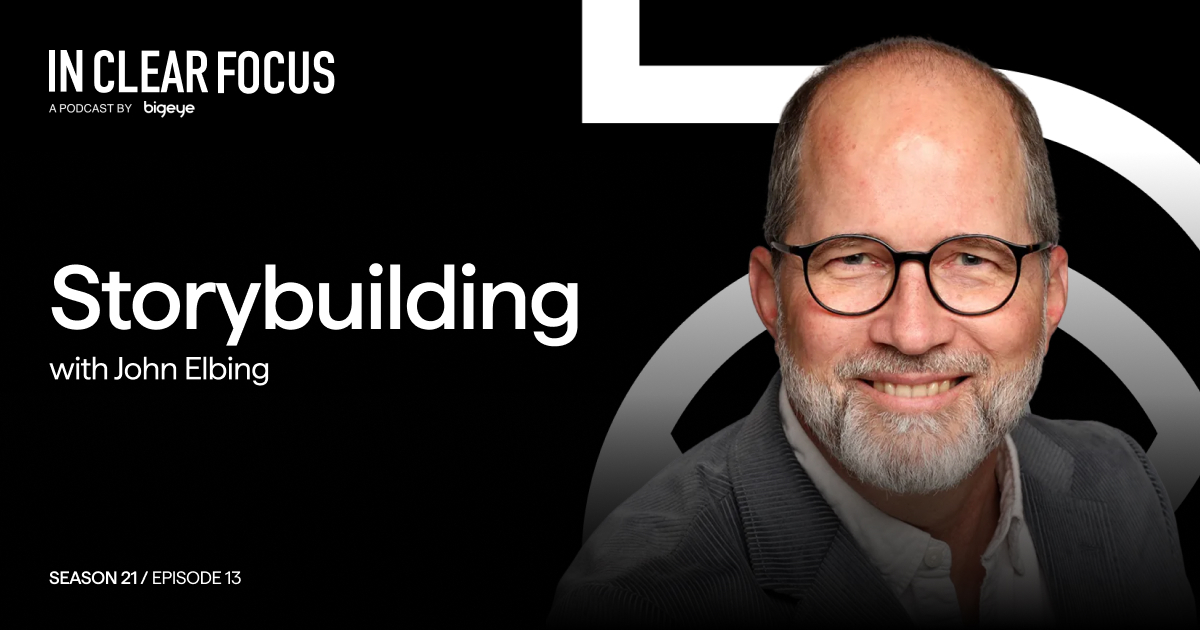
Brand strategist John Elbing of Standpoint explains why people don’t care about your story, they care about how you fit into theirs.
John introduces his “Storybuilding” methodology, a canvas-based approach that helps companies find their foundational story before crafting marketing messages. He breaks down the three stages of encountering a brand—Recognition, Perception, and Projection—and shares how to use AI as a sparring partner to achieve authentic customer-centricity.
On Brand with Nick Westergaard
12 January 2026
Storytelling is easy to talk about—and hard to do well. On this episode of On Brand, I’m joined by John Elbing, Chief Storybuilder Officer at Standpoint, to unpack how his Storybuilding approach helps startups and brands clarify their value, sharpen their pitch, and actually connect—with a framework so effective it’s now a #1 international bestselling book.
What You’ll Learn in This Episode
- Why most brands jump to storytelling tactics before they understand the story they should be telling
- How recognition, perception, and projection shape whether people connect with your brand
- Why customer standpoint matters more than founder backstory
- How structure can unlock creativity instead of killing it
- A simple way leaders can improve their story starting this week
Your Marketing Dude with Mike Cuevas
3 January 2026
In this episode, Mike sits down with brand strategist and communications expert John Elbing, founder of Standpoint, to explore why clarity of story is the foundation of every successful brand. John explains why most businesses struggle not because of poor marketing execution, but because they’ve never clearly defined who they are, what they stand for, and why anyone should care. Together, they break down the difference between messaging and storytelling, how narrative alignment impacts trust, and why growth without clarity only amplifies confusion. John also shares how leaders can uncover their authentic story, align teams around a shared narrative, and create consistency across branding, sales, and communication. If your marketing feels scattered or your growth has plateaued, this episode shows why the problem might not be tactics—but story.
The Business Simplicity Podcast with Chris Parker
16 January 2025
Does your brand truly connect with your customers? Most companies fall into the trap of talking about themselves, leaving potential customers to guess how they fit in.
Storybuilding introduces a revolutionary approach to positioning your brand from your customer’s point of view. Using a series of interactive, canvas-based exercises, this book empowers you to craft stories that engage, inspire, and resonate deeply with your audience.
Whether you’re a startup, solopreneur, or corporate leader, Storybuilding is your roadmap to customer-centric storytelling that drives authentic engagement and long-term success.